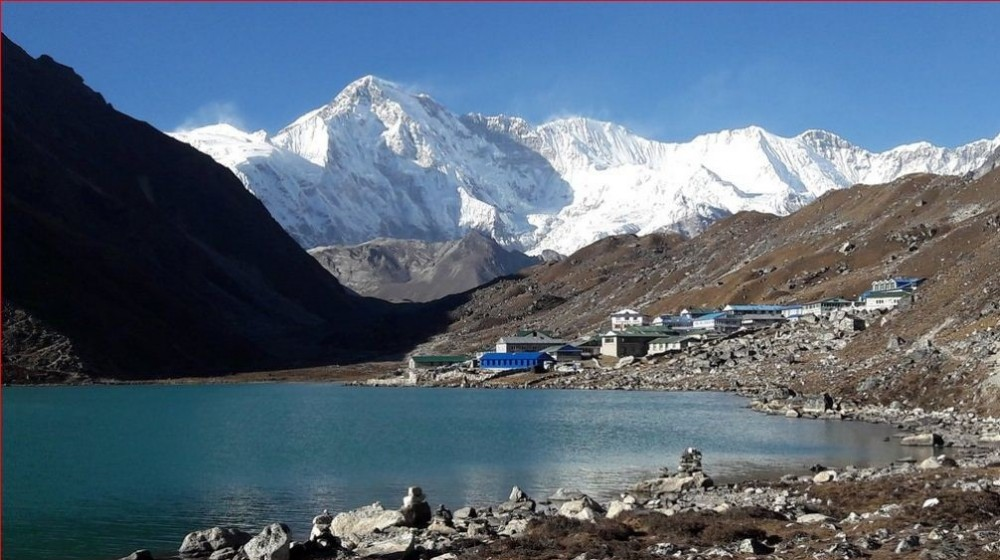
The Everest-Gokyo-Chola-Pass-Trek is one of the most thrilling trekking adventures in Nepal, combining the beauty of Gokyo Lakes, the challenge of Cho La Pass, and the majesty of Everest Base Camp. Unlike the standard Everest Base Camp trek, this route offers additional diversity in landscapes, cultural immersion, and physical challenges, making it a favorite among experienced trekkers. With serene alpine lakes, panoramic Himalayan vistas, and the adrenaline of crossing a high-altitude pass, this trek is an unforgettable journey through the heart of the Khumbu region.
Highlights of the Everest-Gokyo-Chola-Pass-Trek
- Gokyo Valley & Lakes: A pristine valley dotted with turquoise glacial lakes.
- Cho La Pass (5,420m): A thrilling high-altitude crossing with ice and rocky trails.
- Everest Base Camp (5,364m): The iconic destination for trekkers worldwide.
- Gokyo Ri (5,357m): A viewpoint offering 360° panoramas of Everest, Lhotse, Makalu, and Cho Oyu.
- Sherpa Culture: Immersion in unique traditions, monasteries, and mountain hospitality.
- Variety of Landscapes: From lush forests and rivers to glaciers and snow-clad peaks.
This trek is not just about reaching a destination—it’s about experiencing the grandeur of nature, pushing physical limits, and discovering cultural richness in the Himalayas.
Trekking Route Overview
The Everest-Gokyo-Chola-Pass-Trek usually spans 15–18 days depending on itinerary, acclimatization, and walking pace. Here’s a standard outline:
- Kathmandu to Lukla (2,860m) – A short yet scenic flight that kicks off the journey.
- Lukla to Phakding (2,610m) – Gentle start through rhododendron and pine forests.
- Phakding to Namche Bazaar (3,440m) – Crossing suspension bridges and first glimpses of Everest.
- Acclimatization in Namche Bazaar – Hikes to Everest View Hotel or Khumjung village.
- Namche to Dole (4,200m) – Entering the Gokyo Valley with gradual ascents.
- Dole to Machhermo (4,470m) – Stunning views of Cho Oyu and surrounding peaks.
- Machhermo to Gokyo (4,790m) – Reaching the jewel-like Gokyo Lakes.
- Climb Gokyo Ri (5,357m) – Unparalleled sunrise view of Everest and surrounding giants.
- Gokyo to Thagnak (4,700m) – Preparation for crossing Cho La Pass.
- Cross Cho La Pass (5,420m) to Dzongla (4,830m) – A tough but rewarding high-altitude challenge.
- Dzongla to Lobuche (4,910m) – Connecting with the Everest Base Camp trail.
- Lobuche to Gorakshep (5,164m) & EBC (5,364m) – Reaching the legendary Everest Base Camp.
- Climb Kala Patthar (5,545m) – Best viewpoint for close-up views of Everest.
- Return via Pheriche, Namche, and Lukla – Descending through scenic Sherpa villages.
- Fly back to Kathmandu – Ending the Himalayan adventure.
Difficulty Level
The Everest-Gokyo-Chola-Pass-Trek is considered challenging. Here’s why:
- High Altitude: Maximum elevation exceeds 5,500m, making acclimatization critical.
- Long Trekking Days: Average walking time of 6–8 hours daily.
- Cho La Pass Crossing: Steep ascents, icy trails, and potential snow hazards.
- Cold Temperatures: Nights can drop below -10°C in higher regions.
This trek is ideal for trekkers with prior high-altitude experience, good physical fitness, and determination. Beginners can also attempt it with proper preparation and guided support.
Best Time to Trek
The trek is possible year-round, but the best seasons are:
- Spring (March–May): Clear skies, rhododendron blooms, moderate temperatures.
- Autumn (September–November): Stable weather, excellent mountain visibility, popular trekking season.
- Winter (December–February): Fewer crowds, but Cho La Pass may be blocked by snow.
- Monsoon (June–August): Rain, leeches, and poor visibility—least recommended.
Cultural Experiences
Trekking the Everest-Gokyo-Chola-Pass route isn’t just about mountains. It’s also about the people. The Sherpas, renowned for their mountaineering skills and hospitality, live throughout the Khumbu region. Trekkers encounter:
- Buddhist Monasteries: Tengboche and Khumjung monasteries hold deep spiritual significance.
- Colorful Mani Walls & Chortens: Symbols of prayers and blessings.
- Local Cuisine: Dal Bhat, Sherpa stew, yak cheese, and Tibetan bread.
- Festivals: If timed right, trekkers may witness Mani Rimdu, a Sherpa festival of dance and rituals.
These cultural encounters enrich the trekking experience, offering a balance of adventure and tradition.
Accommodation & Food
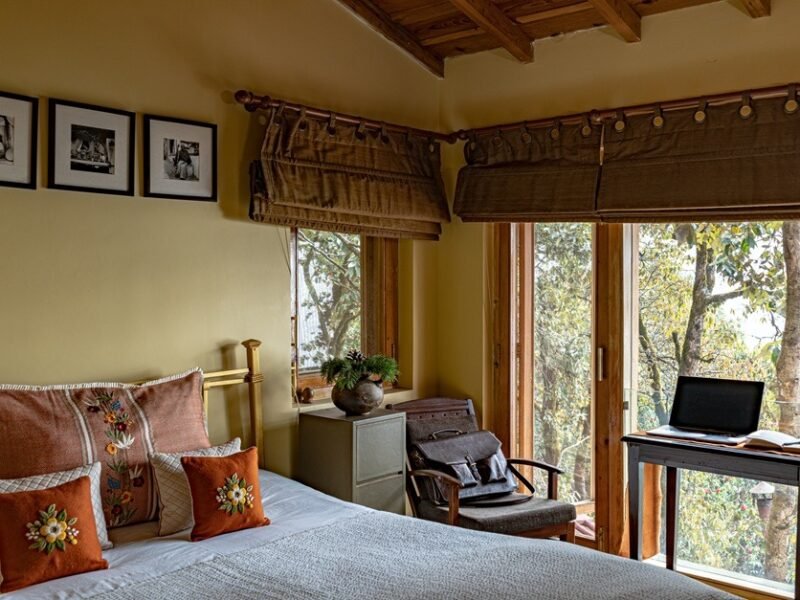
- Teahouses/Lodges: Available throughout the trail, providing basic but cozy rooms.
- Meals: Expect both Nepali dishes and international options (pasta, noodles, pancakes).
- Comfort Level: Facilities are more basic in higher altitudes with limited heating, electricity, and Wi-Fi.
Staying in teahouses also allows interaction with locals, creating memorable cultural exchanges.
Essential Packing List
To conquer the Everest-Gokyo-Chola-Pass-Trek, pack wisely:
- Clothing: Layered system (base, insulation, outer shell), thermal underwear, down jacket, trekking pants, gloves, beanie.
- Footwear: Sturdy trekking boots, extra socks, gaiters.
- Gear: Sleeping bag (-15°C rating), trekking poles, headlamp, crampons (for Cho La Pass).
- Essentials: Sunglasses, sunscreen, water purification tablets, personal medicines, first aid kit.
- Electronics: Power bank, camera, offline maps.
Lightweight yet warm gear is the key to comfort in high-altitude conditions.
Permits Required
Trekkers need:
- Sagarmatha National Park Entry Permit
- Khumbu Pasang Lhamu Rural Municipality Permit
- TIMS Card (Trekkers’ Information Management System)
These are easily obtainable in Kathmandu or at entry checkpoints.
Trekking with or without a Guide
- With a Guide/Porter: Safer, easier navigation, cultural insights, and support during emergencies.
- Independent Trekking: Possible but requires strong navigation skills and self-sufficiency.
Given the Cho La Pass crossing, hiring a guide is highly recommended for safety.
Why Choose Everest-Gokyo-Chola-Pass-Trek?
Compared to the standard EBC trek, this route offers:
- Diverse Scenery: Alpine lakes, glaciers, valleys, and a high pass crossing.
- Adventure Factor: Cho La Pass adds an extra thrill.
- Better Views: Gokyo Ri’s panoramas surpass many viewpoints in the region.
- Less Crowded: The Gokyo Valley sees fewer trekkers compared to the main EBC route.
It’s perfect for adventurers seeking something more challenging and rewarding than the classic trail.
Tips for a Successful Trek
- Acclimatize Properly – Take rest days in Namche and Gokyo.
- Stay Hydrated – Drink 3–4 liters daily to avoid altitude sickness.
- Walk Slowly – “Bistari, bistari” (slowly, slowly) is the Nepali mantra for trekking.
- Travel Insurance – Ensure it covers helicopter evacuation.
- Respect Local Culture – Follow Buddhist customs, greet with “Namaste,” and be mindful around monasteries.
Conclusion
The Everest-Gokyo-Chola-Pass-Trek is more than just a trek; it’s a transformative journey that blends natural wonders, physical challenges, and cultural richness. From the shimmering Gokyo Lakes to the dramatic Cho La Pass, and from the sacred monasteries to the awe-inspiring Everest Base Camp, every step is filled with adventure and discovery.
For trekkers seeking a route that offers both iconic highlights and hidden gems, this trek is an unmatched experience in the Himalayas. Whether it’s your dream to stand at the base of Everest, gaze upon the world’s highest peaks from Gokyo Ri, or test your endurance on a high mountain pass, this trek will leave you with lifelong memories.
If you’re ready for a challenge that rewards with breathtaking beauty and cultural encounters, the Everest-Gokyo-Chola-Pass-Trek should be at the top of your adventure list.