
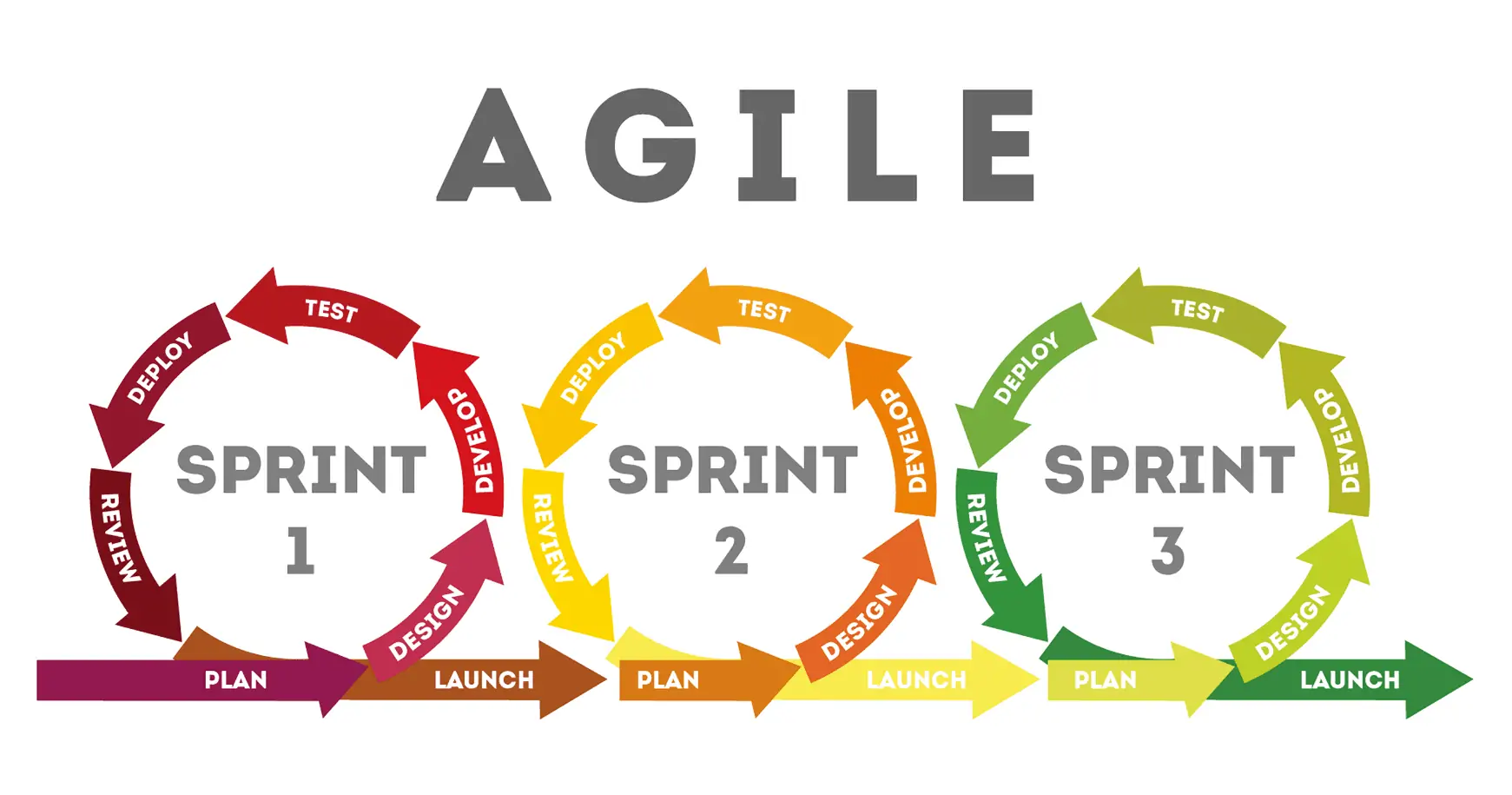
Agile testing is like sailing on a shifting tide — the winds change direction often, and your sails must be adjusted continuously. Traditional test plans, rigid and exhaustive, feel like anchors in this setting. Agile teams need strategies that evolve with every sprint — plans that balance structure with adaptability. An Agile Test Plan doesn’t aim to predict everything in advance but to create a framework for collaboration, quality, and speed.
The Purpose of Agile Test Planning
Unlike conventional models that outline every testing phase upfront, Agile testing relies on flexibility. Imagine building a bridge while traffic is already moving across it — you must test, fix, and enhance while keeping everything running smoothly. Agile testing follows the same spirit.
A well-crafted Agile Test Plan focuses less on documentation and more on communication. It outlines who tests what, how feedback is shared, and when adjustments are made. The goal is to maintain visibility for the team while allowing room for continuous evolution throughout each sprint.
For many professionals aiming to develop these adaptive testing skills, enrolling in a software testing course offers real-world insights into creating practical, dynamic testing frameworks that align with Agile principles.
Building the Framework: What to Include in an Agile Test Plan
Every Agile Test Plan begins with clarity. Think of it as setting the compass before your sprint begins. The framework should define:
- Scope of testing: Which features, stories, or user flows will be tested in this sprint?
- Testing levels: Will testing include unit, integration, or system tests?
- Responsibilities: Who is responsible for automation, manual testing, or regression checks?
- Environments: Are test environments aligned with development environments to avoid inconsistencies?
The key is not to document endlessly but to provide enough structure so that every team member knows their role and the quality expectations. Agile test planning ensures alignment without hindering progress — it’s a living document, not a fixed rulebook.
The Role of Continuous Feedback
In Agile, feedback is the heartbeat that keeps projects alive and responsive. Testing isn’t a phase — it’s a continuous loop. Agile testers work closely with developers, product owners, and even customers to ensure that feedback flows in real time.
Daily stand-ups and retrospectives play a crucial role in refining the test plan. Every sprint teaches something new — about tools, dependencies, or user behaviour. Agile testing plans absorb these lessons, ensuring that each sprint performs better than the last.
Professionals who pursue structured learning, like a software testing course, often find that mastering continuous feedback systems is a core differentiator between reactive testers and proactive Agile professionals.
Leveraging Automation for Speed and Stability
Automation is the sail that propels Agile testing forward. Manual testing alone can’t keep pace with rapid deployments and evolving user stories. Automated testing tools like Selenium, Cypress, or JUnit enable quick validation of features across multiple iterations.
The real trick lies in identifying what to automate. Agile testers focus on high-value areas — regression tests, API validations, and critical user journeys. By integrating automation into CI/CD pipelines, teams ensure that every code push triggers quality checks automatically.
However, automation complements rather than replaces human intuition. Exploratory testing — driven by curiosity and creativity — often uncovers the unexpected flaws automation might miss.
Collaboration: The Core of Agile Success
Agile thrives on teamwork. Developers, testers, and product owners must collaborate continuously, blurring traditional boundaries. In this environment, testers act not just as quality gatekeepers but as quality advocates.
Agile Test Plans encourage transparency — everyone knows testing priorities, coverage, and open risks. This shared ownership creates a sense of collective responsibility where quality becomes everyone’s job. When testers are embedded within the development cycle, bugs are identified earlier, reducing rework and increasing delivery speed.
Conclusion
An Agile Test Plan isn’t a static artefact — it’s a dynamic compass guiding teams through the uncertainties of iterative development. It empowers testers to stay flexible, align with shifting priorities, and uphold quality without slowing down delivery.
Agility in testing is a mindset as much as a method. It’s about constant learning, cross-team communication, and adapting as fast as your product evolves. With the right understanding and practice, Agile testing transforms from a reactive activity into a proactive force driving product excellence.
For aspiring professionals, learning to create effective Agile Test Plans begins with mastering the foundations of testing strategy, automation, and collaboration. This provides the perfect starting point to build those skills confidently.